



By Laiatu Augustine Bamaiyi.
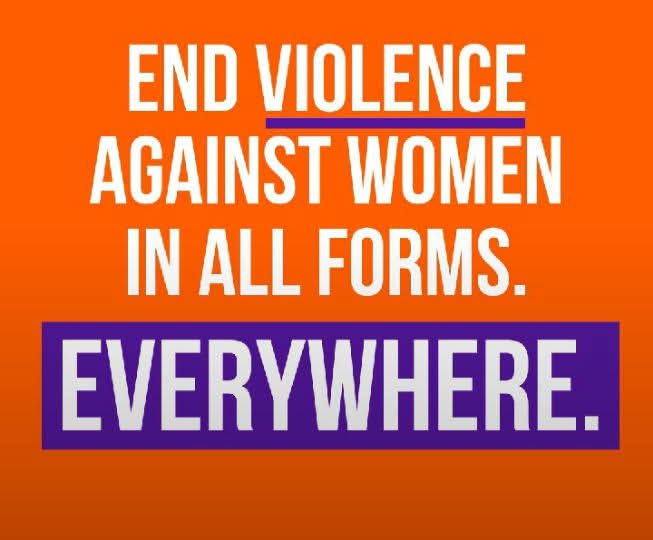
Gender-based violence (GBV) continues to stain Nigeria’s conscience and undermine its development aspirations. From domestic abuse and sexual violence to child marriage and exploitation in conflict zones, the scale of the crisis is undeniable. Yet, despite years of advocacy, legislation, and awareness campaigns, violence against women and girls persists at alarming levels. One fundamental truth remains insufficiently addressed: gender-based violence thrives where poverty is entrenched.
In Nigeria, poverty is not merely an economic condition; it is a structural force that strips millions of women of choice, safety, and power. Women who lack income, education, land, or social protection are often trapped in abusive relationships because leaving would mean hunger, homelessness, or social exclusion. For these women, violence is endured not out of acceptance, but out of economic necessity.
This reality demands a shift in how the nation understands and confronts GBV. Violence against women is not only a criminal justice or cultural issue it is also an economic one.
Nowhere is this more evident than in the persistence of child marriage. In many poor communities, particularly in northern Nigeria, families marry off young girls as a survival strategy. Poverty turns girls into economic bargaining chips, exposing them to lifelong violence under the guise of tradition. Laws prohibiting child marriage exist, but they ring hollow where families lack viable economic alternatives.
Conflict and displacement further expose the poverty violence nexus. In the North East, livelihoods have been destroyed, social structures weakened, and women pushed into extreme vulnerability.
In displacement settings, lack of income forces some women into exploitative relationships simply to survive. These are not moral failures; they are policy failures.
Evidence from across the Global South reinforces this reality. Where women have access to social protection, education, and livelihoods, violence declines. Cash transfer programmes, when properly designed, reduce household stress and women’s economic dependence.
Girls who stay in school are less likely to be married early and more likely to escape cycles of abuse. Economic security, in effect, becomes a form of protection.
However, poverty reduction alone is not enough if it is blind to gender and power. Economic interventions that fail to address harmful gender norms can provoke backlash and reinforce control.
This is why poverty reduction must be gender-responsive, inclusive, and transformative, not cosmetic.
Particularly invisible in this discussion are women with disabilities, who face extreme poverty and disproportionately high levels of violence. Excluding them from social protection and development planning perpetuates abuse behind closed doors.
Nigeria’s response to GBV must therefore move beyond rhetoric and reactive measures. Legal frameworks and survivor services are necessary, but they cannot substitute for economic justice.
GBV prevention must be integrated into poverty alleviation programmes, social investment plans, education policy, climate response, and humanitarian interventions.
A nation that claims to be fighting gender-based violence while ignoring the poverty that fuels it is only postponing the crisis.
Ending poverty will not automatically end violence. But ending violence without ending poverty is a dangerous illusion.
If Nigeria is serious about protecting its women and girls, economic justice must be recognised not as a development luxury, but as a national imperative for peace, dignity, and human rights.
Only when women are economically secure can they truly be safe.
