



By Dr Laiatu Augustine Bamaiyi.

Along the sweeping banks of the River Niger in northwestern Nigeria lies Yauri, an ancient kingdom whose history is inseparable from water, warfare, survival, and culture.
Today part of Kebbi State, Yauri stands as one of the oldest riverine emirates in the region, a living testament to resilience and identity shaped by centuries of human interaction with nature.
Founded by the Reshe (Gungawa) people, Yauri emerged as an organised polity as far back as the 14th century, long before colonial boundaries redrew Africa’s map.

Though classified in Hausa history as part of the banza bakwai, Yauri was never marginal in influence. It thrived as a strategic river kingdom, sustained by farming, fishing, trade, and its mastery of the Niger’s waters.
Its location made Yauri a melting pot of peoples and cultures Reshe, Gungawa, Kamberi, Dakarkari, Dukawa, Hausa, and Fulani whose interactions forged a distinct identity. Islam took root early, shaping governance, learning, and social order, while traditional institutions ensured continuity and cohesion. For generations, the emirate balanced faith, tradition, and authority, anchored firmly in its environment.

But it is Rigata bold, dramatic, and deeply symbolic that best captures the soul of Yauri.
Rigata Born of the River, Forged by Courage.
Rigata is not merely a festival; it is the cultural memory of a people who lived by the river and defended their existence upon it. Originating over two centuries ago, Rigata began as a form of marine warfare and survival training. In the Gungawa tradition, it involved skilled warriors navigating large wooden canoes to confront dangers on the River Niger, including the formidable hippopotamus that threatened fishing grounds, farmlands, and human life.
These river battles were displays of bravery, coordination, and mastery of watercraft, essential qualities for survival in a riverine kingdom.
Victory in Rigata brought honour, prestige, and communal pride, while participation alone marked a man as courageous and disciplined.
With the arrival of colonial rule in the 19th century, practices such as hippopotamus hunting were outlawed.

Yet Rigata did not disappear. Instead, it evolved transforming from warfare into performance, retaining its spirit while adapting to changing times. Canoes still cut through the river in disciplined formations, paddles still rise and fall in rhythm, and chants still echo the courage of ancestors.
From Tradition to Festival
In contemporary Yauri, Rigata has grown into a major cultural festival, formally revived and promoted by the Yauri Emirate and the Kebbi State Government. What was once a necessity of survival has become a spectacle of heritage, drawing visitors from across is Nigeria and beyond.


Today’s Rigata Festival features canoe regattas, water displays, fishing competitions, cultural dances, music, and exhibitions of local crafts and agriculture.
Yet beneath the colour and celebration lies something deeper a reaffirmation of Yauri’s historical identity as a river kingdom shaped by unity and resilience.
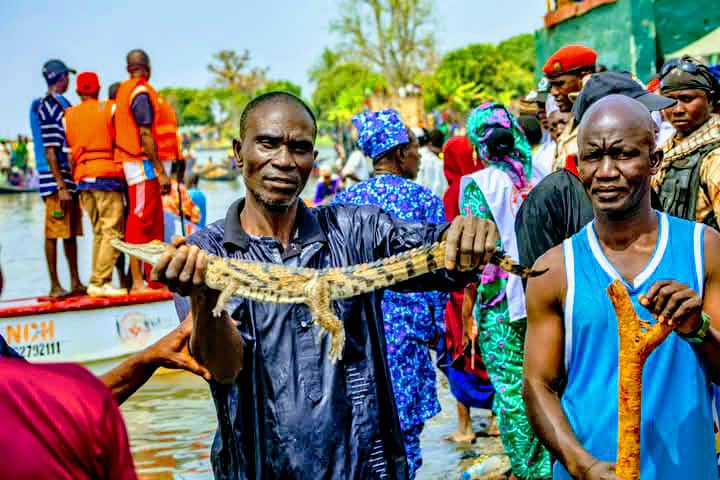
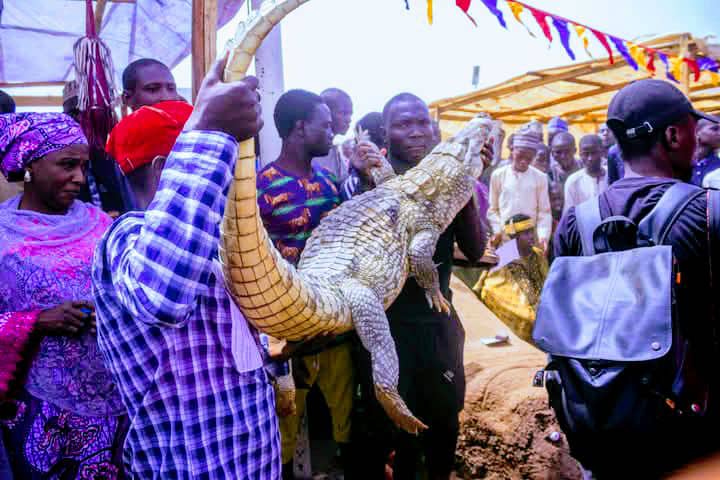
A Living Heritage
Rigata now serves as a bridge between generations teaching the youth the values of discipline, teamwork, and courage, while reminding elders that culture survives when it adapts without losing its essence.
It has also become a tool for tourism, economic empowerment, and cultural diplomacy, projecting Yauri onto the national and global stage.
In Yauri, history does not sit quietly in archives. It flows, like the River Niger itself in the strokes of paddles, the chants of boatmen, and the pride of a people who understand where they come from.

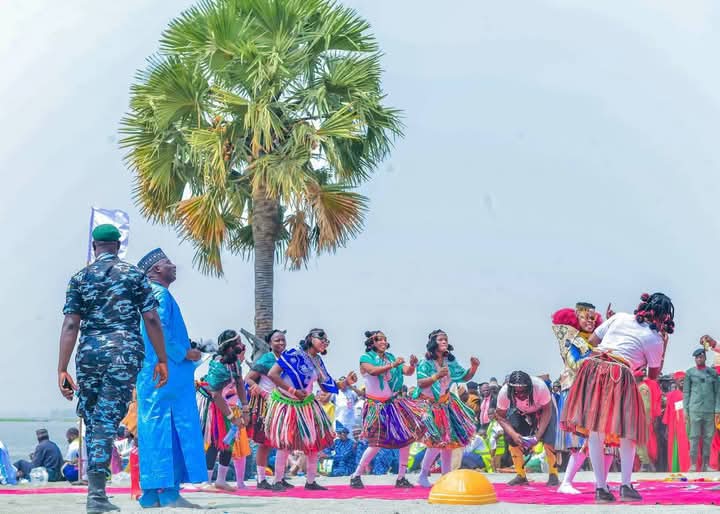
Rigata is Yauri’s story told on water: a reminder that culture, when rooted in history, can survive time, change, and modernity and still command attention.
