



By Laiatu Augustine Bamaiyi.
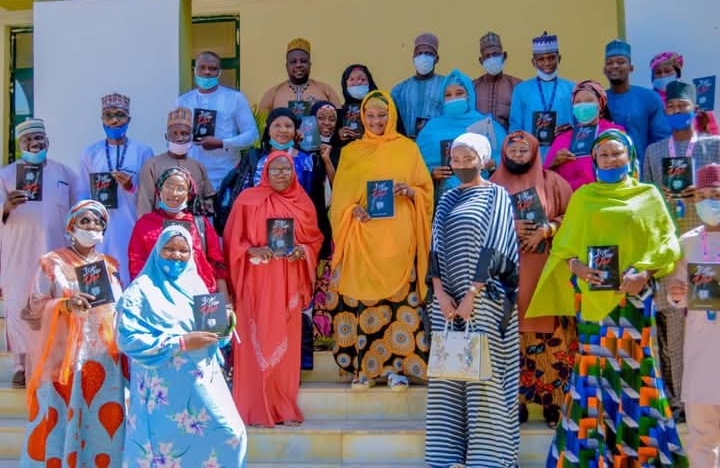
Barrister Kudirat Shu’aibu Diri is a distinguished legal practitioner, gender advocate, and public servant whose life’s work has been dedicated to defending the rights of women, children, and persons with disabilities. Known for her deep empathy and unwavering commitment, she is widely respected as a woman who treats every case she handles as a personal mission.
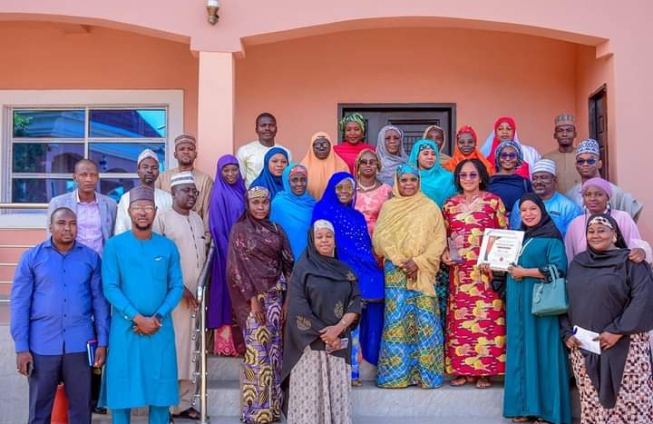
She previously served as the State Chairperson of the International Federation of Women Lawyers (FIDA), Kebbi State Chapter, where she championed access to justice for survivors of gender-based violence. As Vice Chairperson of the Technical Working Group, she contributed significantly to strengthening support systems for vulnerable populations and played a notable role in advancing the Violence Against Persons (Prohibition) Act in Kebbi State.
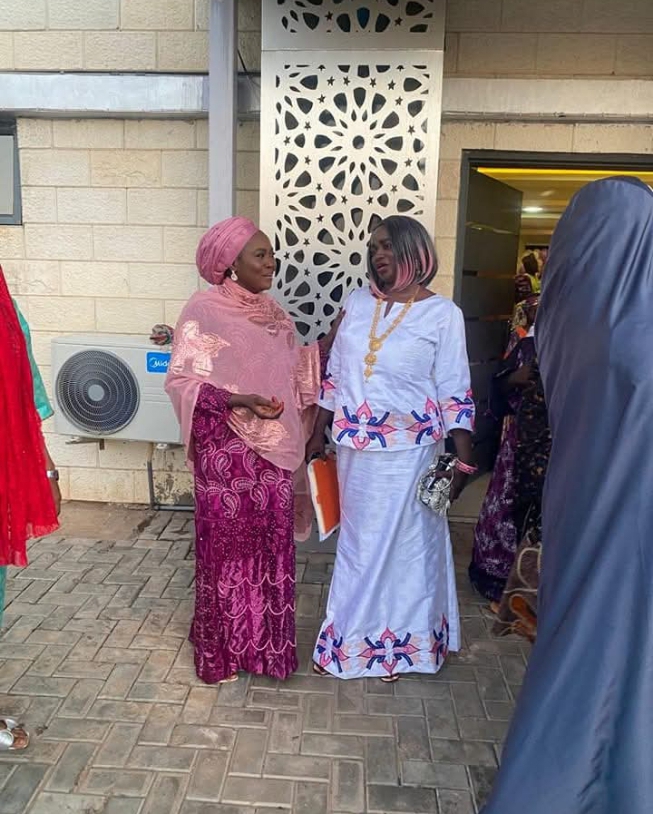
Now serving as Permanent Secretary, Ministry of Budget and Economic Planning, Kebbi State, she continues to integrate inclusivity, equity, and social protection into governance.
Q: What does International Women’s Day mean to you personally?
A: International Women’s Day is a moment of reflection and renewed commitment. It reminds me of the struggles women have endured and the progress made. It is also a call to continue advocating for justice and equal opportunities for all.
Q: Can you share a defining moment that shaped your journey as a woman?
A: Handling cases of gender-based violence survivors who had lost hope deeply shaped me. Fighting for them and restoring their dignity strengthened my commitment to justice.
Q: What challenges have you overcome that made you stronger?
A: Working in male-dominated spaces came with resistance, but it built my resilience and confidence.
Q: Who inspired you growing up?
A: Strong women in my community who showed courage despite limitations inspired me greatly.
Q: What achievement are you most proud of?
A: My contributions through FIDA and advocacy around the VAPP Law remain very fulfilling.
Q: What is the biggest barrier women still face today?
A: Societal norms and structural inequalities remain key challenges.
Q: Do women have equal opportunities in your community?
A: Not fully yet, though progress is being made.
Q: What changes would you like to see?
A: Stronger implementation of policies and more women in leadership.
Q: How can society better protect women and girls?
A: Through enforcement of laws, awareness, and accountability.
Q: What does true gender equality look like?
A: Equal rights, opportunities, and respect regardless of gender.
Q: What has been your experience in leadership?
A: Challenging but rewarding. Women must remain resilient and focused.
Q: Are women adequately represented?
A: No, more needs to be done.
Q: Advice to young women?
A: Stay determined, build capacity, and believe in yourself.
Q: How can organizations support women economically?
A: Through inclusive policies, funding access, and mentorship.
Q: Message to young girls?
A: You are powerful never doubt your potential.
Q: Skills girls should develop?
A: Education, digital literacy, and leadership.
Q: What does empowerment mean?
A: Freedom and confidence to make life choices.
Q: Role of men as allies?
A: Support equality and challenge harmful norms.
Q: “For ALL Women and Girls” means?
A: No one is left behind.
Q: What legacy do you hope to leave?
A: A legacy of justice, courage, and opportunity.
Q: What is your assessment of the present administration in terms of supporting women and vulnerable groups?
A: I must sincerely commend the present administration for its commitment to improving the lives of citizens, especially women and vulnerable groups. There has been visible progress in providing essential life amenities, strengthening social protection systems, and creating opportunities for empowerment. These efforts are gradually transforming lives and promoting inclusivity.
The administration’s focus on infrastructure, healthcare, education, and economic support has positively impacted many households.
I believe sustained commitment in these areas will continue to uplift communities and ensure that development reaches everyone, particularly those who need it most.
Barr. Kudirat Shu’aibu Diri stands as a beacon of hope, justice, and service her voice continues to amplify the cause of the vulnerable while shaping policies that drive inclusive development in Kebbi State and beyond.
