



By Laiatu Augustine Bamaiyi.
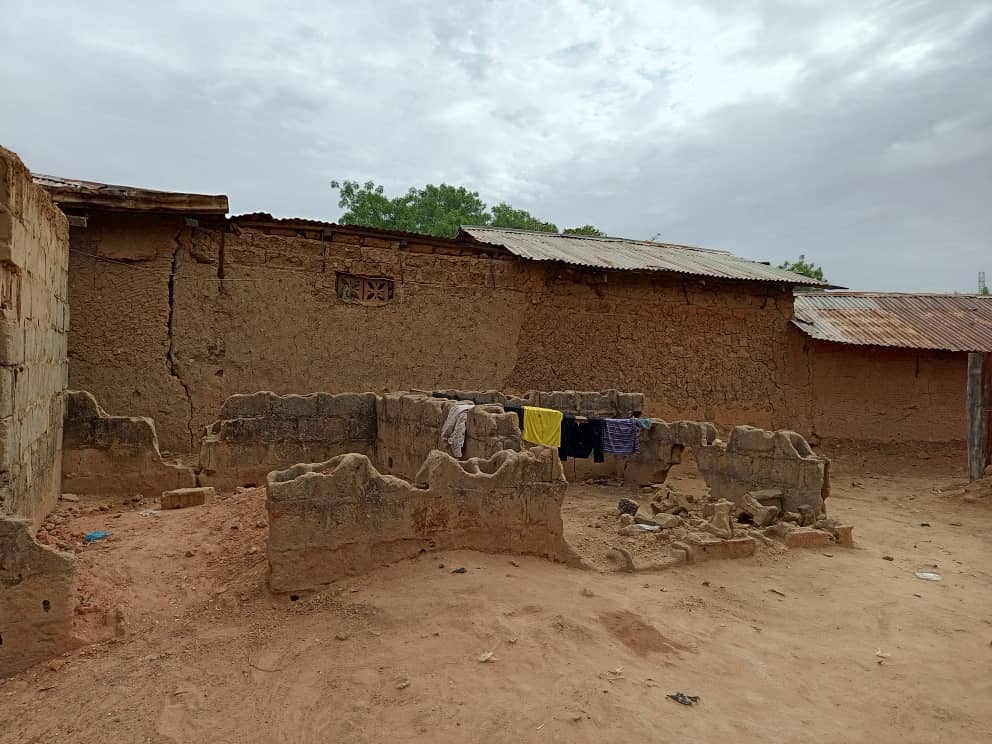
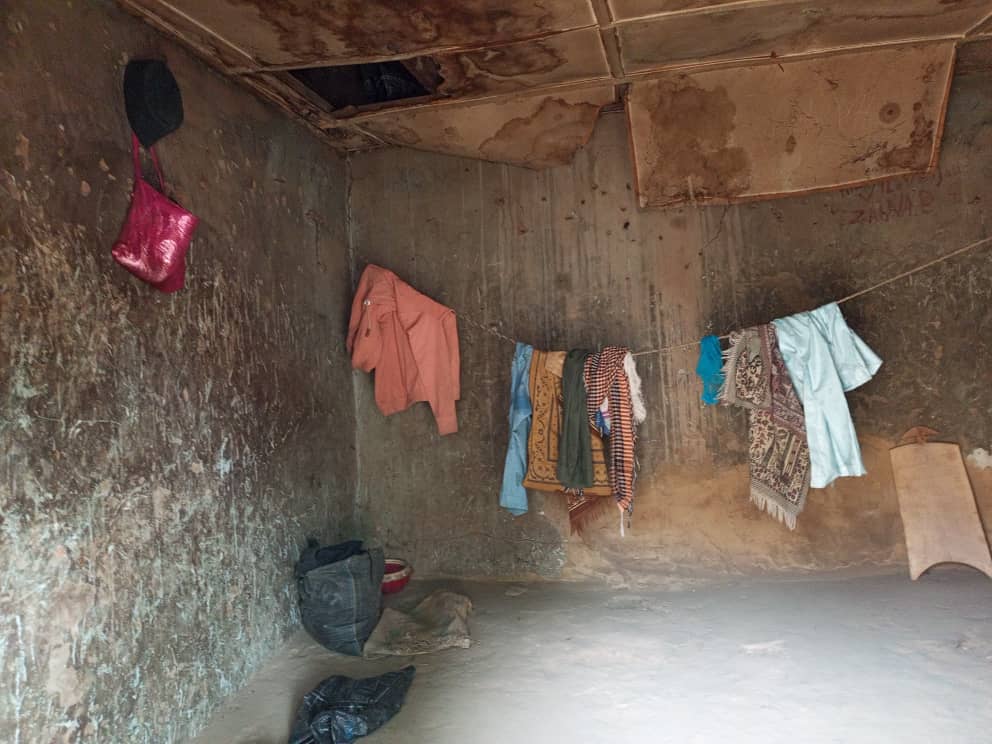
The rain came, the roof collapsed and with it, the fragile safety net of one of Kebbi State’s most vulnerable communities.
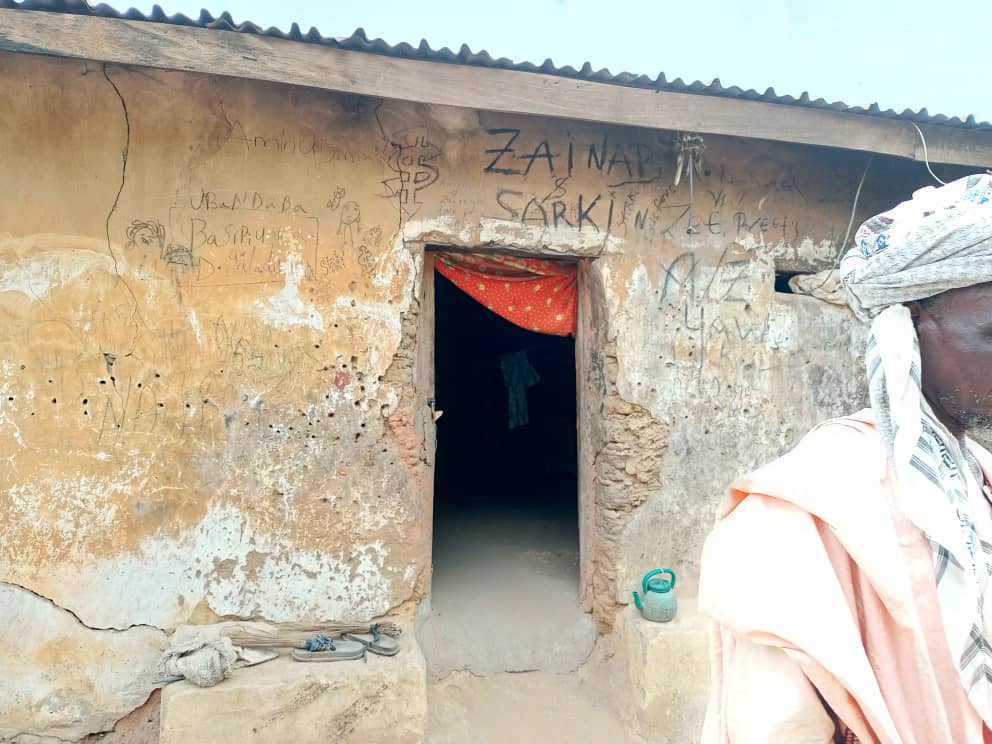
Today, in the Kitarawa area of Argungu, members of the blind community are left exposed, displaced, and struggling for survival after their residence was destroyed by heavy rainfall last year. What should have triggered urgent government intervention has instead turned into a prolonged silence forcing the victims to beg for help.
Leading the appeal is Sarkin Makafin Kabi, Malam Muktar Argungu, whose voice now carries both urgency and frustration.
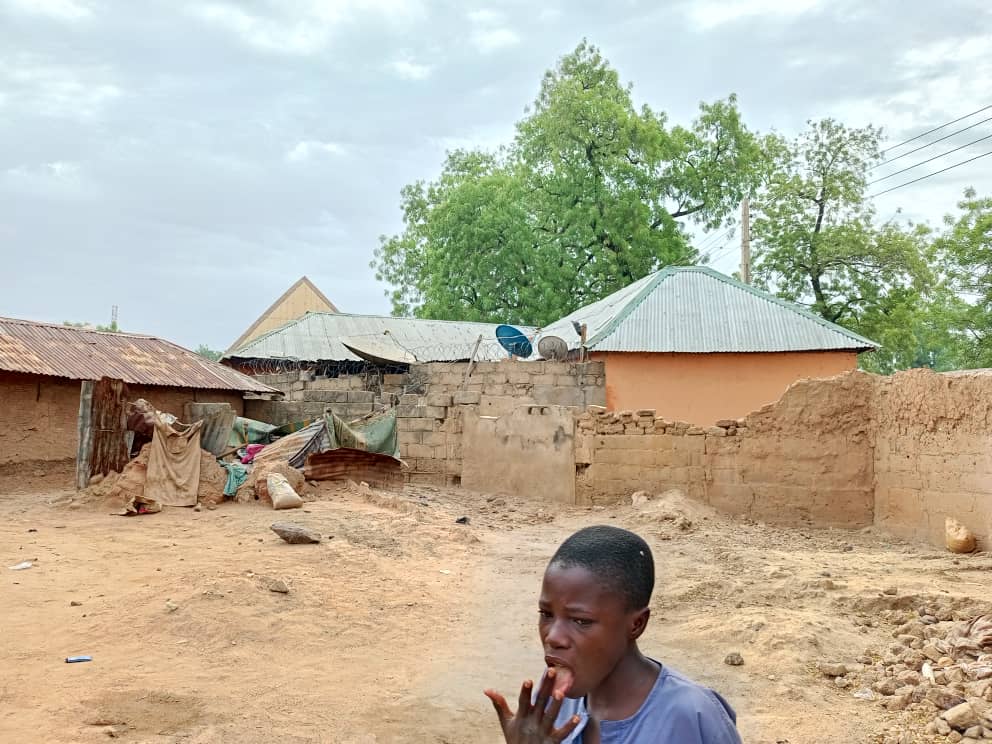
“Whoever helps another, Allah will help them,” he says, calling on the Kebbi State Government, civil servants, and the business community to come to their aid.
A COLLAPSE BEYOND BRICKS AND MORTAR
The damaged building is more than a physical structure it is the backbone of a community that depends on shared living for survival.
For persons living with visual impairment, such spaces provide not just shelter, but safety, orientation, and a sense of belonging in a world often designed without them in mind.
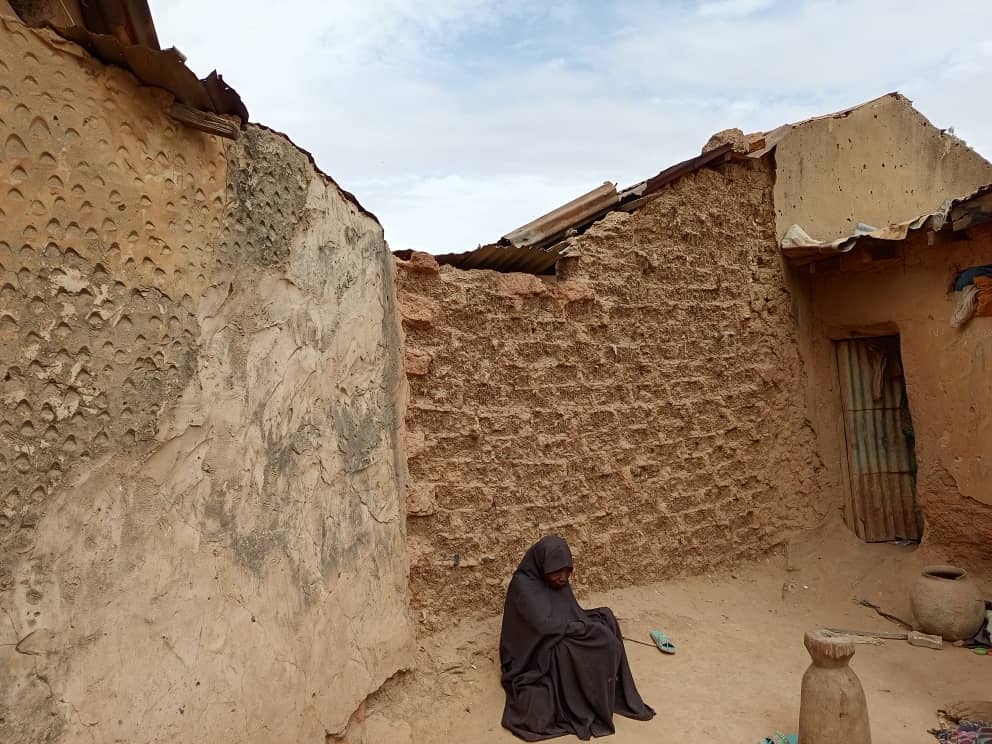
Now, with the structure in ruins, many are left navigating daily life under even harsher conditions without adequate protection, support, or certainty.
SYSTEM FAILURE: WHEN HELP IS OUT OF REACH
The Argungu crisis exposes a deeper governance gap: the disconnect between policy frameworks and real life access.
While disability commissions exist on paper, their impact rarely reaches those at the grassroots. For many persons with disabilities, especially in smaller towns, these institutions are distant, bureaucratic, and largely inaccessible.
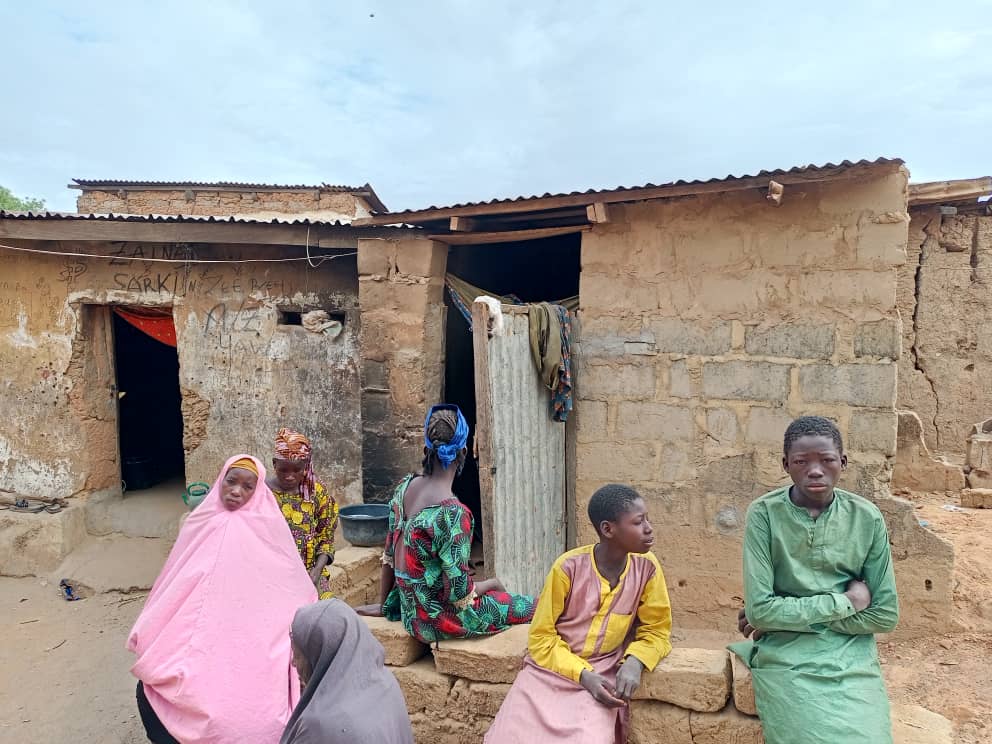
In contrast, social security systems serve many vulnerable during last administration and if commission is properly implemented offer a more practical and humane solution.
They work because they are:
Closer to the people they delivering support directly to beneficiaries
Faster and more responsive reducing delays tied to bureaucracy
Inclusive by design they help reaching out to those who cannot physically access government offices
Reliable providing consistent support rather than one off interventions.
For someone who cannot see, distance, paperwork, and poor outreach become insurmountable barriers. In such cases, a commission that cannot be accessed is effectively nonexistent.
A CALL THAT DEMANDS ACTION
This is not just an appeal it is a test of leadership and collective conscience.
Rebuilding the Argungu blind community residence would be a critical first step, but it must also spark a broader rethink of how support systems are designed and delivered to persons with special needs.
Beyond government, the private sector and individuals have a role to play. In moments like this, intervention is not charity it is responsibility.
For those willing to assist, further information can be obtained via: 07065717238
THE LAST WORD
The tragedy in Argungu is simple, yet telling:
A community lost its roof and discovered it had no system to fall back on.
Until social protection becomes truly accessible, responsive, and inclusive, the most vulnerable will continue to live one disaster away from crisis.
The lesson is clear:
A system that cannot be accessed is no system at all.
Until social protection becomes truly inclusive reaching people where they are, in forms they can use stories like this will continue to surface, quietly, persistently, and often too late.
For the blind community in Argungu, the rain has already fallen.What remains is whether help will rise.
