



By Laiatu Augustine Bamaiyi,
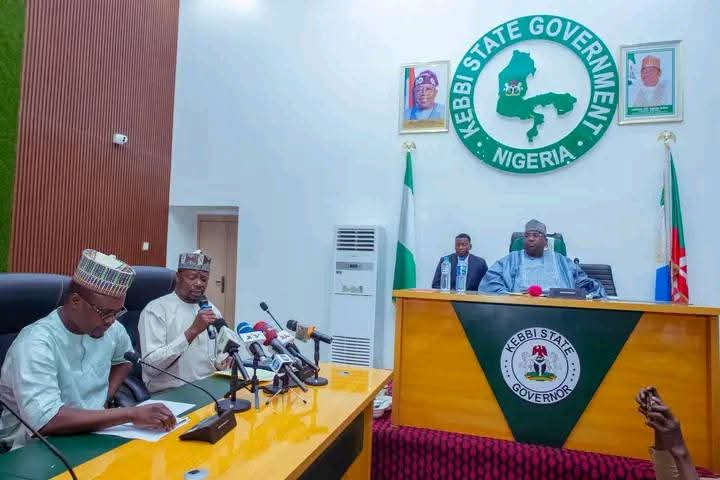
The political temperature in Kebbi State rose on Monday as a coalition of Civil Society Organizations (CSOs) stormed Government House, Birnin Kebbi, demanding transparency, accountability, and open government policies from the administration of Governor Nasir Idris.
Led by its chairman, Ibrahim Ngaski, the coalition pledged readiness to partner with the state government on development initiatives but warned against what it described as “smear campaigns” and poor governance practices.
“Kebbi is our state and must not be dragged into ridicule.
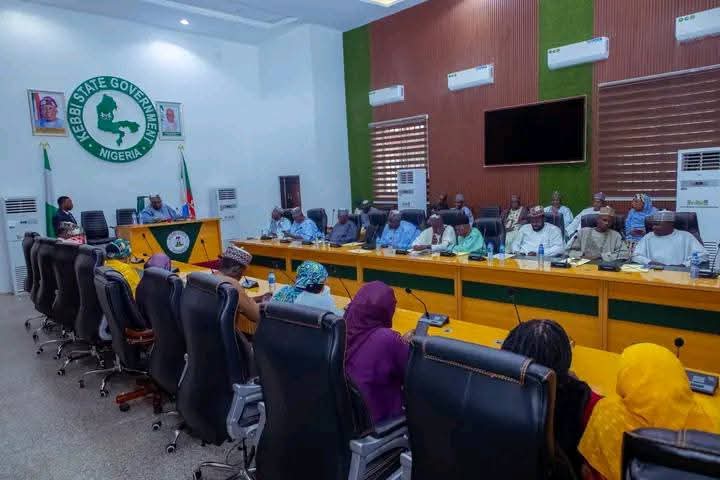
We are ready to engage constructively and support the government with solutions that will drive progress,” Ngaski said.
Speaking more bluntly, Comrade Mansur Isah Guruza called for the immediate adoption of open government principles, stressing that accountability and transparency are key to successful leadership.”
He further raised concerns about challenges facing the ministries of health and water resources as well as persistent problems in the state’s civil service.
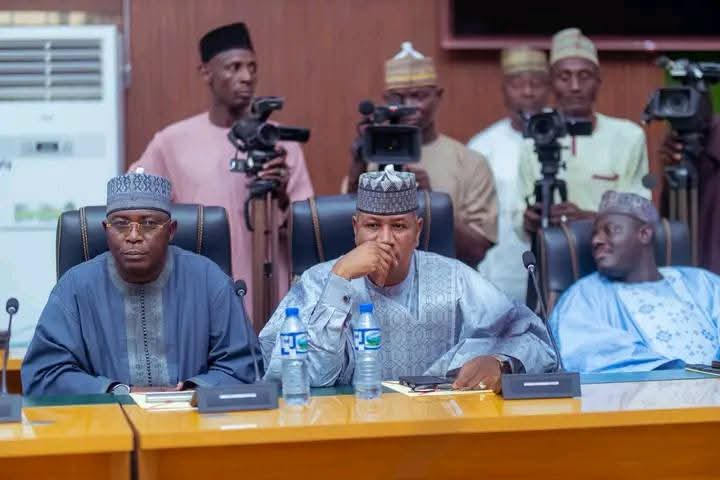
Governor Idris, in a sharp response, dismissed allegations against his administration including claims of hiring mercenaries as the height of irresponsibility, accusing opposition figures of sponsoring smear campaigns to undermine his leadership.

Unveiling what he described as a transformative economic blueprint, Idris highlighted investment deals such as a $350 million lithium processing plant in Libata, projected to generate 45,000 jobs, and a $600 million cement factory in Maiyama, expected to create 55,000 jobs.
He also pointed to ongoing rehabilitation of decayed infrastructure across the state as part of his two-year scorecard.
“I remain unshaken and focused on projects with direct impact on all communities across Kebbi the governor declared.
Political observers say the entry of CSOs into the debate could reshape Kebbi’s political narrative, intensifying the war of words between government loyalists and opposition camps, with far reaching consequences for governance, stability, and investor confidence in the state.
