


By Joy Nandak Jos.
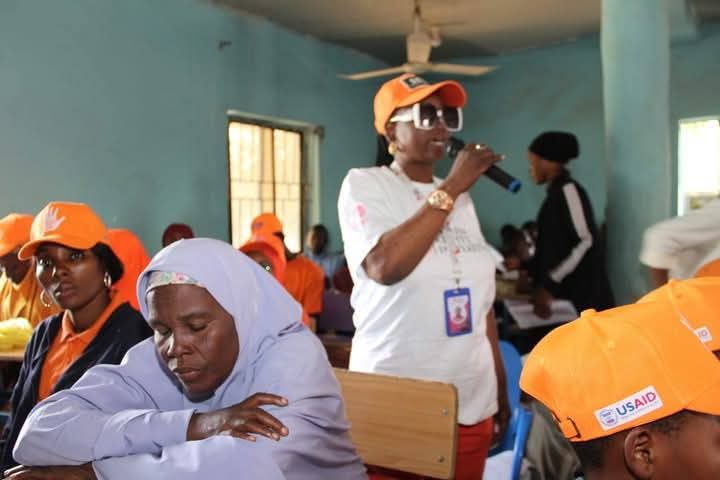
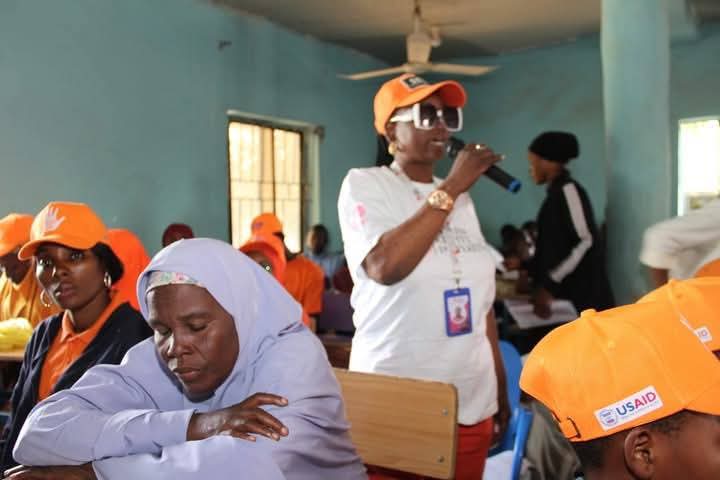
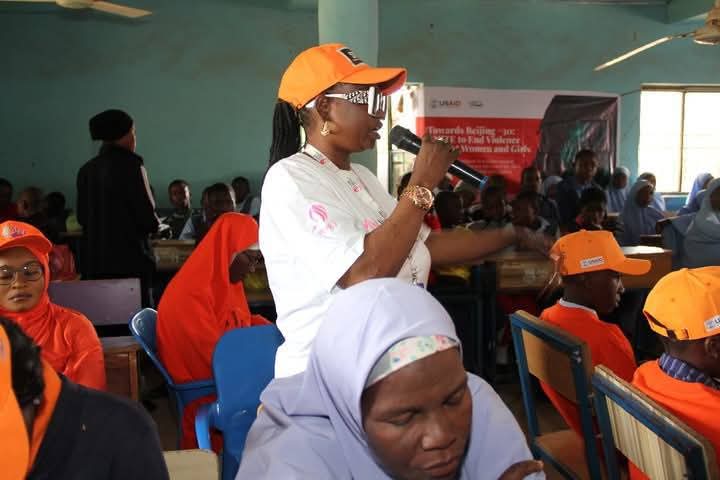
The Women Rights Initiative (WORI) has joined the global community to commemorate the International Day of the Girl Child, reaffirming its commitment to advancing gender equality and empowering girls, particularly those with disabilities and other vulnerabilities.
In a celebration interview on October 11, 2025 Dr Laiatu Augustine Bamaiyi the Executive Director Women Rights initiative WORI organisation said this year’s theme,

“The Girl I Am, The Change I Lead Girls on the Front Lines of Crisis, reflects the resilience and potential of girls to drive change, even in the face of adversity.
WORI emphasised that its focus extends to Special Needs Talented Individuals girls who are among the poorest, most marginalised, and least privileged, including orphans, abandoned children, and those living with or without disabilities.
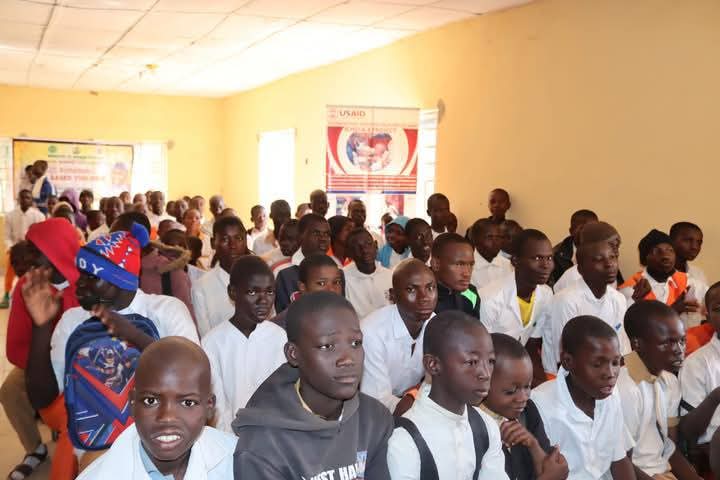
“Every girl deserves a fair chance to thrive, lead, and be heard. Whether she lives with a disability or not, she has the right to education, dignity, and empowerment,” she noted.
The organisation decried the persistent challenges faced by girls in Nigeria, including poverty, early marriage, discrimination and limited access to quality education and healthcare, stressing that urgent government action and policy intervention are needed to reverse the trend.
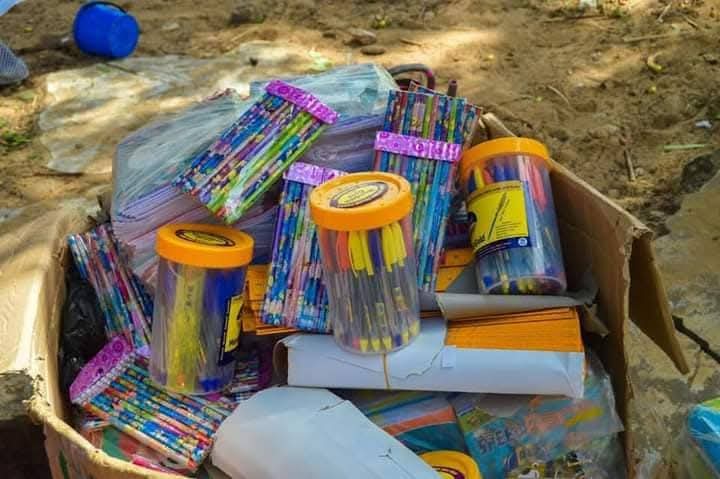
As part of activities marking the day, WORI announced community outreach programmes, mentorship sessions, and advocacy drives across schools and rural communities aimed at promoting girl-child inclusion and leadership.
WORI also called on government agencies, civil society, and development partners to increase investment in girl-focused initiatives and adopt inclusive frameworks that leave no child behind.
“Empowering girls today means securing the future of our nation. When a girl is educated and supported, she becomes a catalyst for change,” she added.
The organisation reaffirmed its dedication to uplifting, rehabilitating, and nurturing girls to reach their full potential, noting that true national progress cannot be achieved without empowering the girl child.