




By Dr Laiatu Augustine Bamaiyi.
Argungu, At the crack of dawn on the banks of the Matan Fada River, thousands of fishermen plunged into the shallow waters in a chaotic, joyful race for the largest catch signalling the much-anticipated return of the Argungu International Fishing and Cultural Festival.
The 61st edition of this storied celebration has drawn participants and spectators from across Nigeria and beyond, mixing ancient ritual with contemporary festivity.
Recognised by UNESCO as an Intangible Cultural Heritage of Humanity, the Argungu Festival first held in 1934 as a symbol of reconciliation between the Sokoto Caliphate and the Kebbi Kingdom remains a vibrant showcase of northern Nigeria’s cultural and economic life.

A Kaleidoscope of Culture and Competition
The heart of the festival remains the Grand Fishing Finale at Matan Fada River, where hundreds of local fishermen armed with traditional nets, calabashes and bare hands dive into the water at the sound of a whistle to catch the biggest fish with previous editions recording catches that thrilled crowds and journalists alike.
But the event is far more than a fishing contest. Over successive days, the festival grounds have come alive with canoe racing, wild duck catching, swimming, archery and canoe pirogue races thrilling spectators who have gathered in large numbers to witness the spectacle.

At the expanded agricultural and trade fair, local farmers displayed towering rice pyramids and various produce, underscoring the event’s role as a platform for agricultural promotion and food sufficiency.
Voices From the Festival
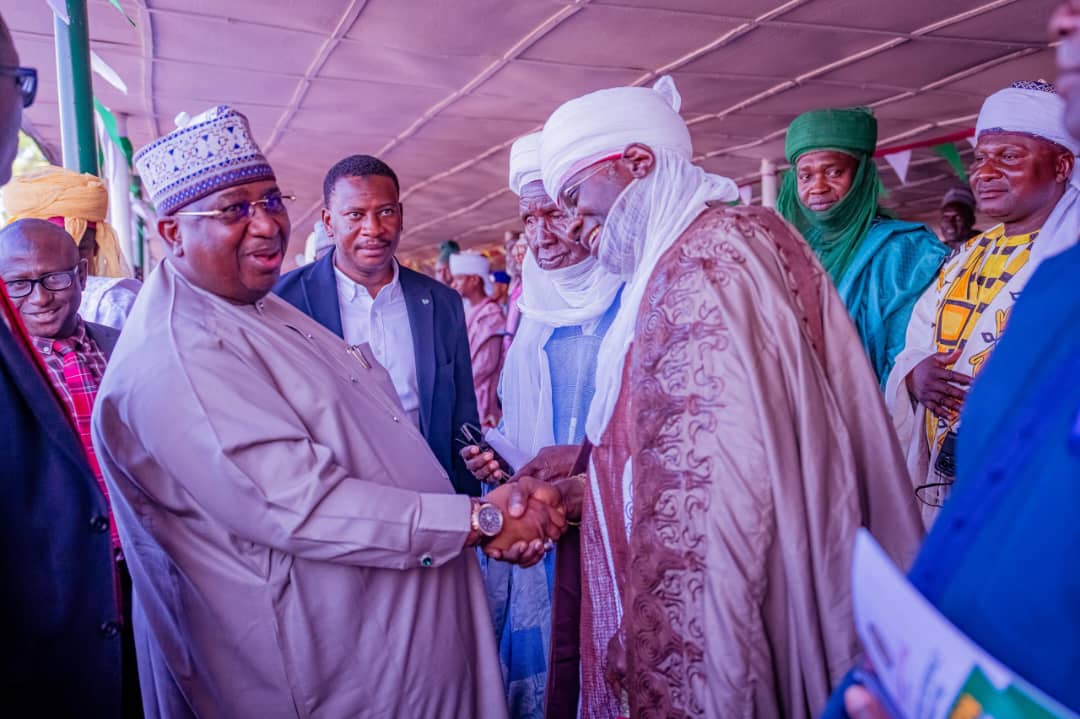
Speaking at the festival’s agricultural exhibition, Alhaji Tanko Sununu, Minister of State for Humanitarian Affairs (representing the Minister of Agriculture), emphasised the broader significance of the celebration.
“We have seen rice pyramids on display and numerous agricultural products from farmers in Kebbi. We are convinced that our efforts are yielding positive results in agriculture,” Sununu said, describing the festival as more than a cultural gathering “a platform capable of attracting investment into the tourism sector and strengthening social cohesion.”
His remarks reflect the growing view among policymakers that the festival can drive national food security, tourism growth and local enterprise goals that align with ongoing government commitments.

Unity, Heritage and Economic Promise
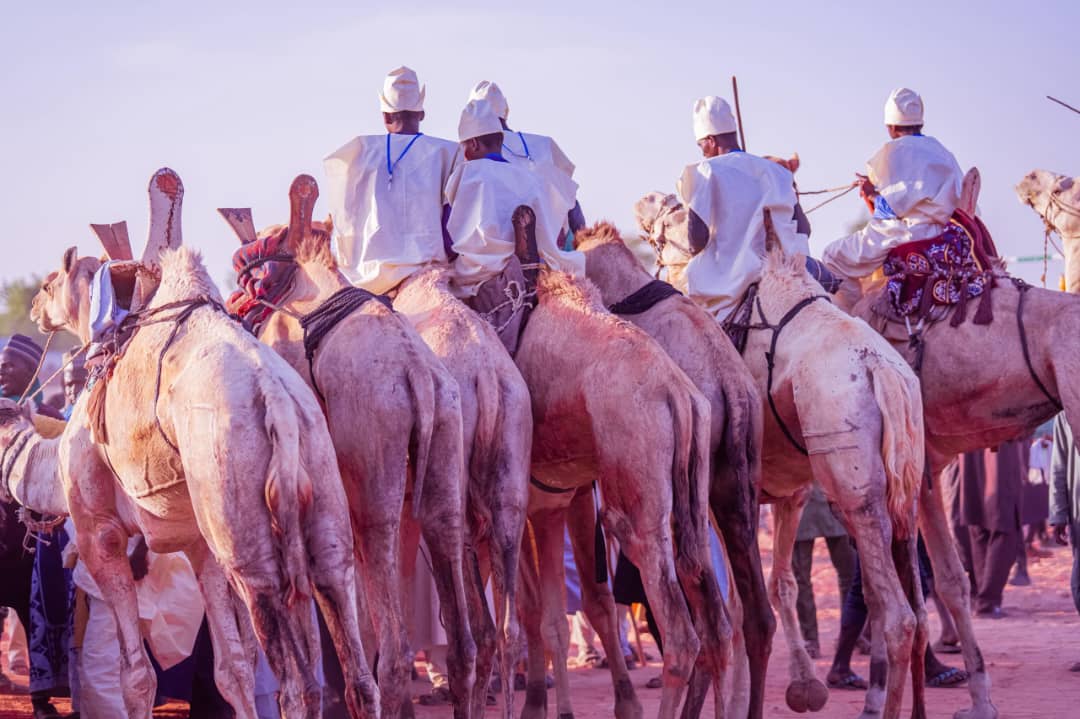
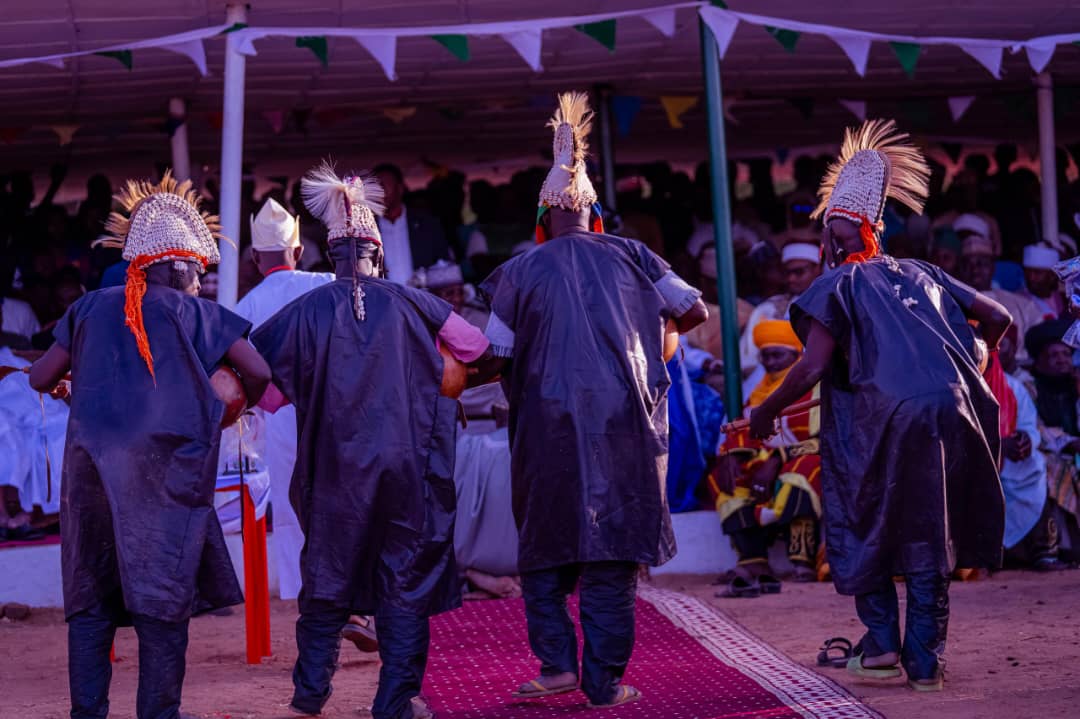
Beyond sport and spectacle, the Argungu Festival is a potent symbol of national unity and cultural resilience. Traditional music and dance troupes, dressed in vibrant attire, fill the air with rhythmic performances, while cultural parades and durbar processions fuse pageantry with centuries-old ritual.
Local traders, artisans and hospitality providers are also reporting brisk business as visitors fill lodgings and markets, reinforcing the festival’s economic impact on host communities and the broader tourism sector.
As drums echo across the riverbanks and nets slice through the water, the Argungu Fishing Festival stands as a testament to Nigeria’s cultural wealth an enduring bond between people, river and heritage.
