



By Dr Laiatu Augustine Bamaiyi.
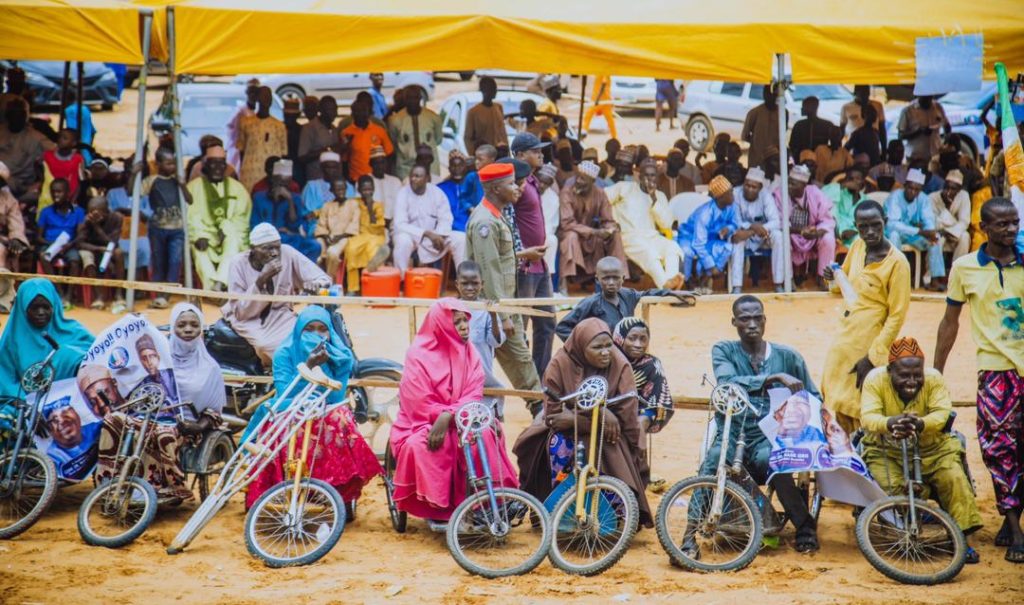
When Kebbi State announced the creation of a Commissioner for Disability Affairs, many persons with disabilities thought their struggles were finally about to be recognized and addressed. For years, they had fought for inclusion, welfare support, and dignity in a society where survival is already a heavy burden. But today, many say that hope has withered away.
Across the state, from the crowded streets of Birnin Kebbi to the rural communities of Zuru, Yauri and Argungu, persons with disabilities tell stories of hardship, exclusion, and unkept promises.
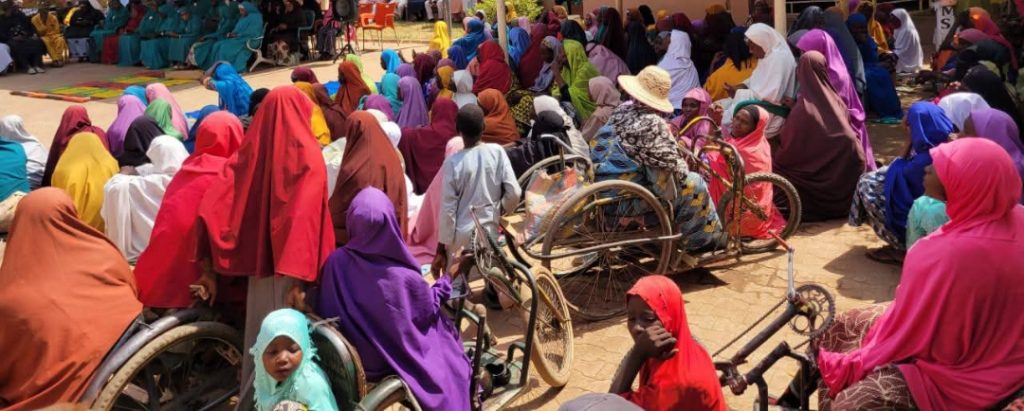
To them, the commission has become little more than a political title, far removed from the cries of the people it was meant to serve.
“We Are in Pain, and Nowhere to Run”
Halima Umar a respected voice in disability community, spoke with raw emotion:
“The commission is just a name. The people there are self-centered, not concerned about us. We are in deep pain, and nowhere to run.”
She contrasted the present situation with the tenure of former Governor Atiku Bagudu.
“During Bagudu’s time, if you had a problem and reported it, you were answered immediately. he said,
There was social security welfare. Today, nothing. We are abandoned.”
For Umar and many others, the commission has failed to address pressing needs access to healthcare, educational opportunities, mobility aids, employment, and monthly stipends for survival. Instead, most still rely on street begging or family members already struggling with poverty.
Lives on the Margins
In Birnin Kebbi’s central market, a mother pushes her teenage son on a wooden cart. Born with a physical disability, he cannot attend school because the family cannot afford transport or assistive devices.
In Argungu, a blind farmer recounts how promises of empowerment packages never reached him. “They called our names during campaigns,” he said, “but after elections, we are forgotten.”
These are not isolated cases. Women Rights initiative (WORI) estimate that thousands of people living with disabilities in Kebbi face systemic neglect, with little or no intervention reaching the grassroots.
A Commission in Name Only
The State Commissioner for Disability Affairs was expected to coordinate welfare schemes, vocational training, and advocacy for inclusion in public institutions. But insiders say the office is underfunded, sidelined, and treated as an appendage of political patronage rather than a lifeline for vulnerable citizens.
We still insist that without real funding, accountability, and community-driven programs, the commission will remain an empty shell.
“It must go beyond photo opportunities,” one activist said. “It should deliver tangible results.”
National Context
Nigeria passed the Discrimination Against Persons with Disabilities (Prohibition) Act in 2019, mandating inclusivity in public life and infrastructure. But implementation remains weak, especially in state like Kebbi, where persons with disabilities say they still face daily discrimination, barriers to education, Transportation, Banks, Social intervention, Housing and economic exclusion.
A Cry for Dignity
At its core, the struggle of Kebbi’s disabled community is not just about money or welfare packages it is about dignity. They want to be treated as equal citizens, with access to opportunities and a voice in shaping policies that affect their lives.
For now, their cry remains unanswered. As one wheelchair user in Yauri put it:
“We are not asking for pity. We are asking for justice. Let the commission work for us, not for politics.”
Until that happens, the people for whom the commission was created will remain where they have always been on the margins, waiting for promises to turn into action.
