



By Laiatu Augustine Bamaiyi.
The Kebbi State Ministry of Women Affairs and Social Development in collaboration with the Child Protection Network Nigeria (CPNN), with support from SOS Children’s Villages and UNICEF, has reviewed and validated the state’s new guidelines for alternative care of children.
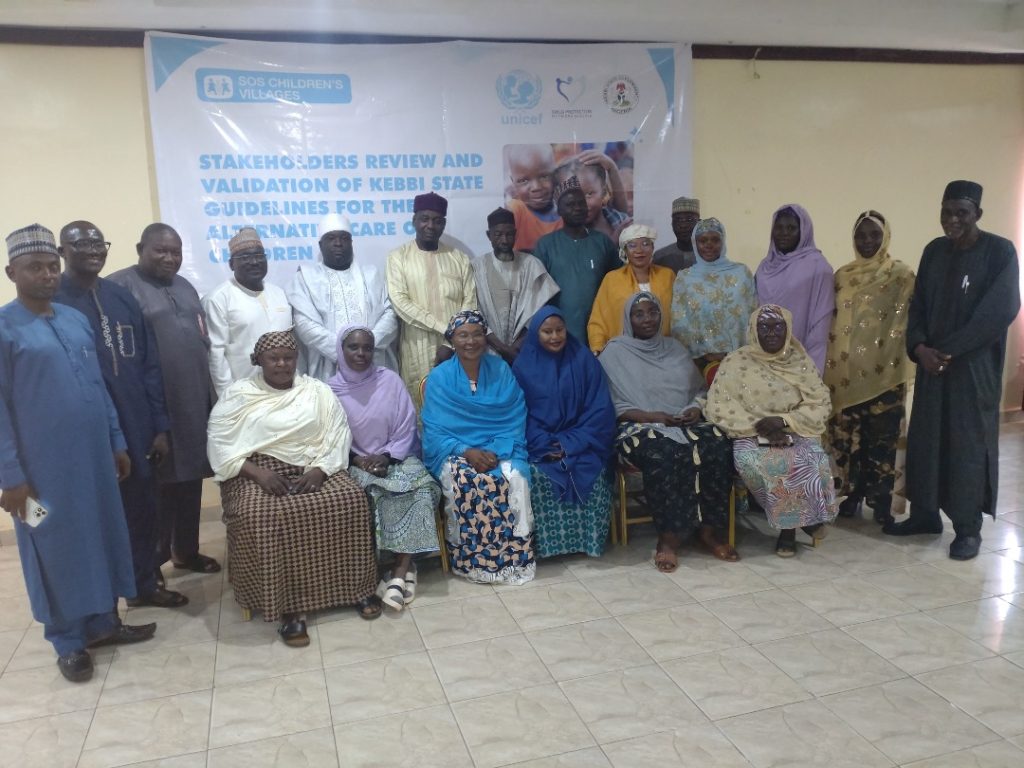
The domesticated guidelines, drawn from the National framework are designed to protect vulnerable children while safeguarding their rights to survival, protection, development, and participation.
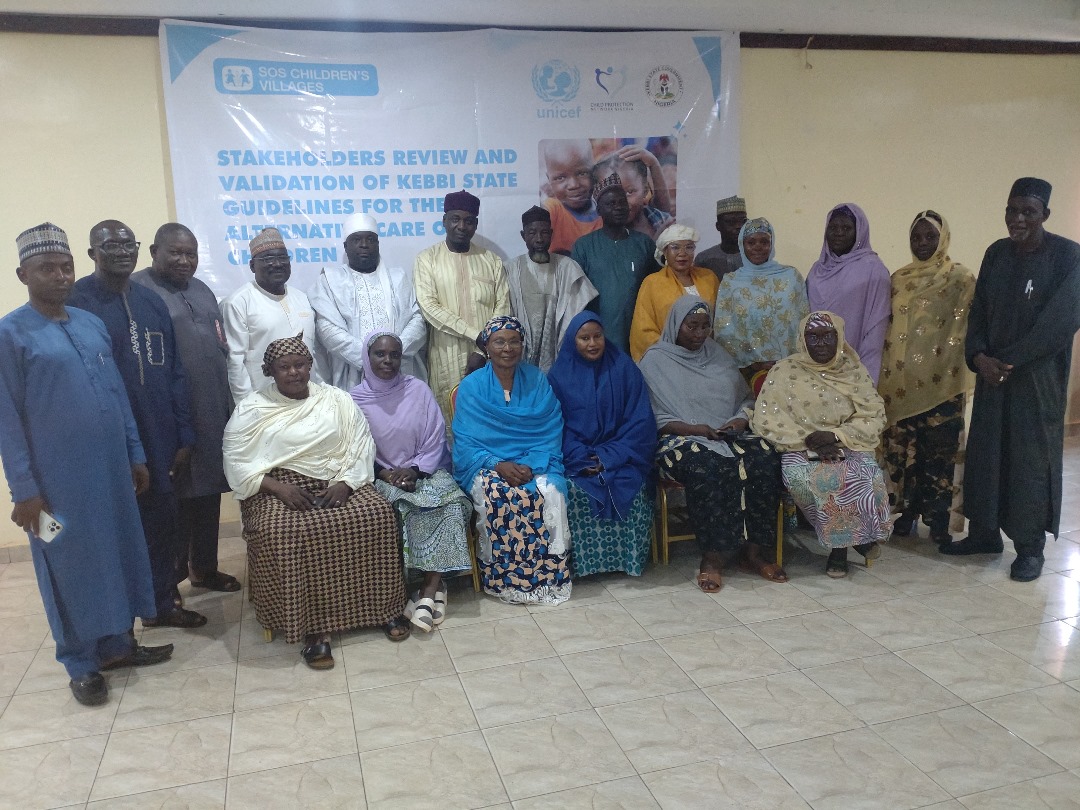
The two-day exercise began on September 1 at Kungiyar Tallafin Mata Development Initiative (KTMDI) office, Birnin Kebbi, and concluded with a validation session on September 3 at Jamvaly Hotels and Resorts.
Briefing the Commissioner for Women Affairs, Hajiya Halima Hassan, UNICEF consultant Prof. Umar Alkali and Child Protection Specialist Pius Uwamanua highlighted the importance of the framework.
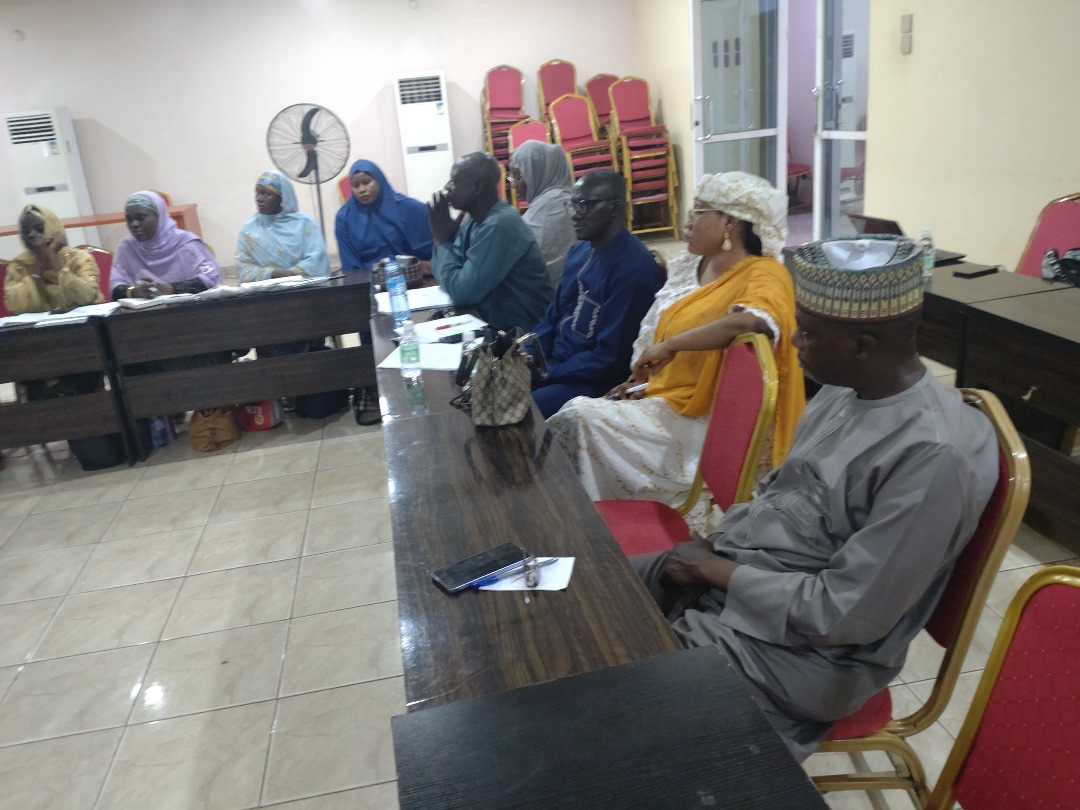
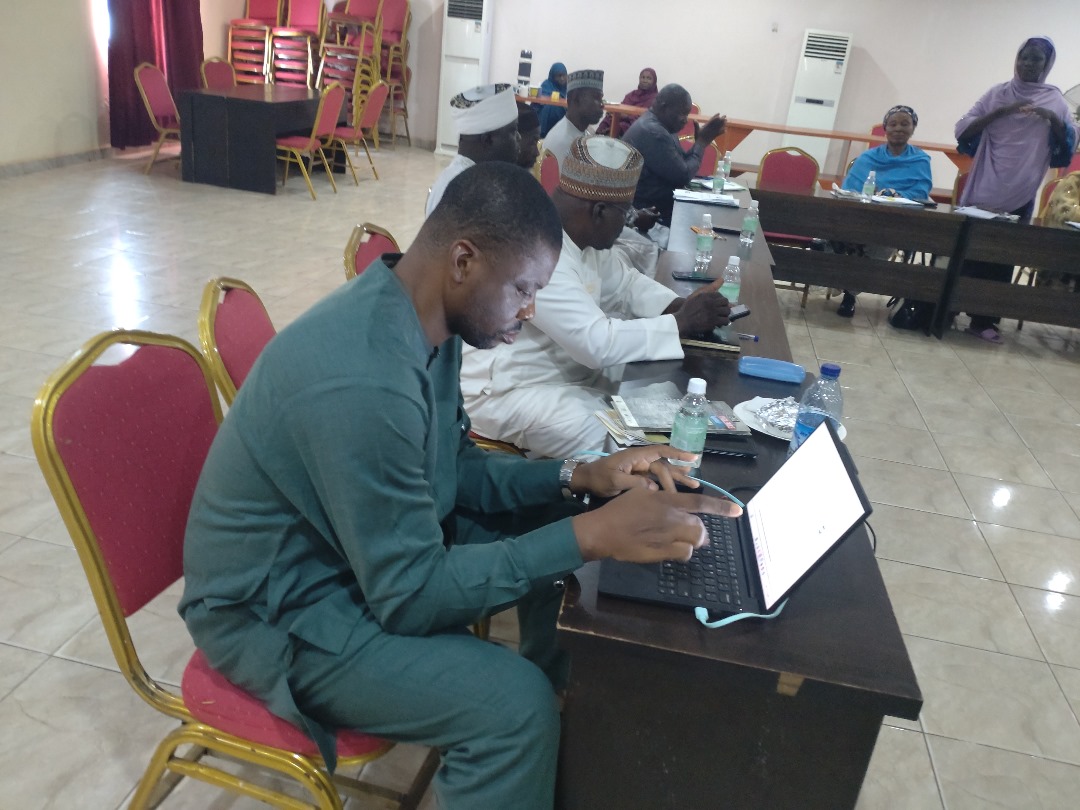
The Commissioner hailed the effort, expressing delight that UNICEF would take responsibility for producing copies of the finalized guidelines for the state.
Stakeholders including ministries, CSOs, traditional leaders, NAPTIP, security agencies, faith-based groups, and the media warned that neglected children risk becoming easy recruits for terrorists, kidnappers, and other criminal groups.
A new clause in the guidelines mandates that girls enrolled in Quranic education must return home after lessons under parental supervision, addressing growing concerns over the rise of female Almajiris.
Participants urged the state government, partners, and community leaders to convene a summit with Quranic teachers to chart safer reforms for the Almajiri system.
Prof. Alkali stressed that the guidelines discourage raising children in institutions like orphanages and remand homes, insisting that family settings remain the best environment for nurturing values, love, and proper guidance.
