



By Dr Laiatu Augustine Bamaiyi.
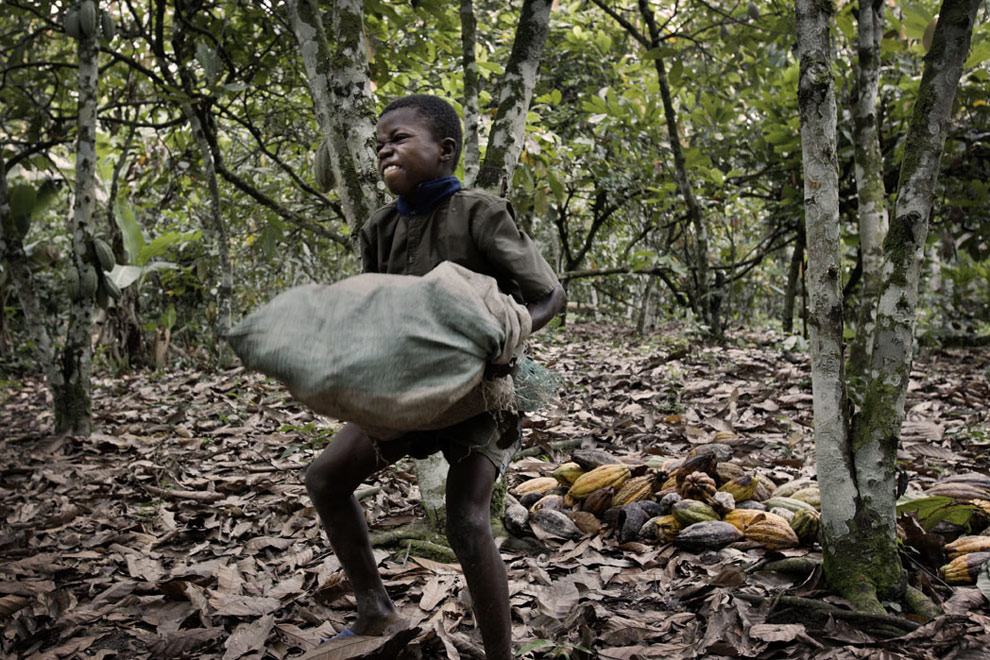
In many parts of Nigeria, childhood is quietly slipping away. It happens in markets where children hawk goods instead of holding books, on farms where small hands replace schoolbags, and on the streets where survival comes before education. Child labour is long normalised as economic necessity, is increasingly being recognised for what it truly is: a form of violence against children.
Under international and Nigerian law, a child belongs in school, in safety, and under care not at work sites meant for adults. Yet across the country, especially in low income and crisis-affected communities, children are pushed prematurely into labour.
The situation is even more alarming as the worst forms of child labour continue to rise.
Many children trapped in labour are not just workers; they are victims of trafficking, smuggling, and sexual exploitation.
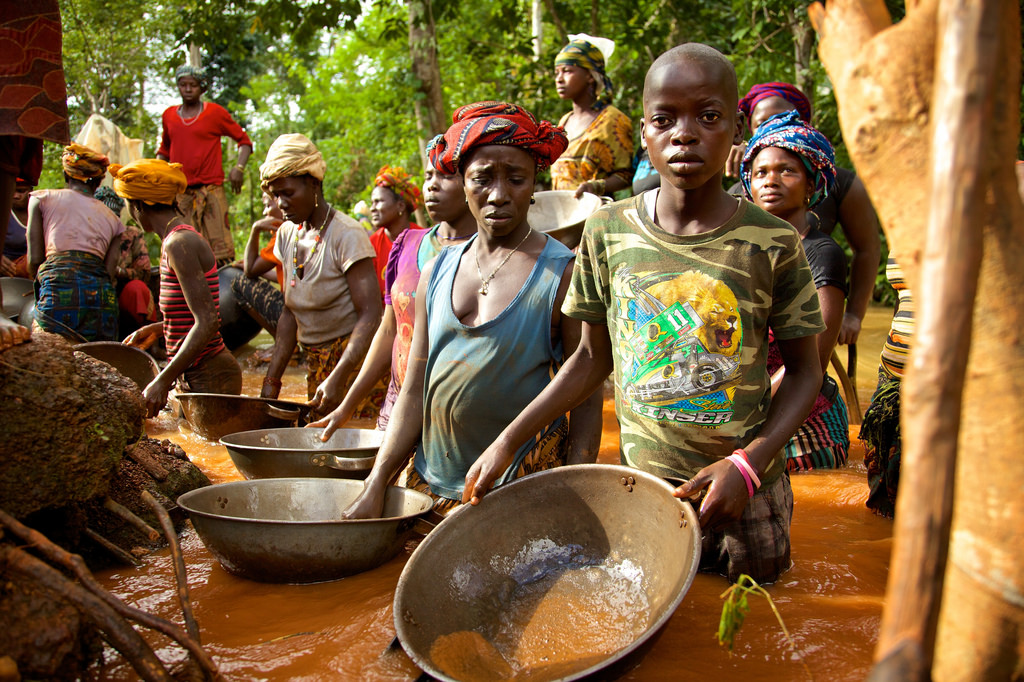
From domestic servitude to street begging controlled by syndicates, child labour often serves as an entry point into deeper and more dangerous forms of abuse. What begins as “helping the family” can quickly turn into a cycle of exploitation and violence.
Experts warn that treating child labour as a standalone issue misses the bigger picture.
“Child labour does not exist in isolation,” child protection advocates argue.
“It is driven by poverty, lack of access to education, insecurity, weak social protection systems, and poor enforcement of laws.”
Nigeria has strong legal frameworks, including the Child Rights Act and Labour Act provisions, but enforcement remains uneven. More critically, child protection is often viewed as the sole responsibility of ministries handling social affairs or women and family issues. This narrow approach, analysts say, limits impact.
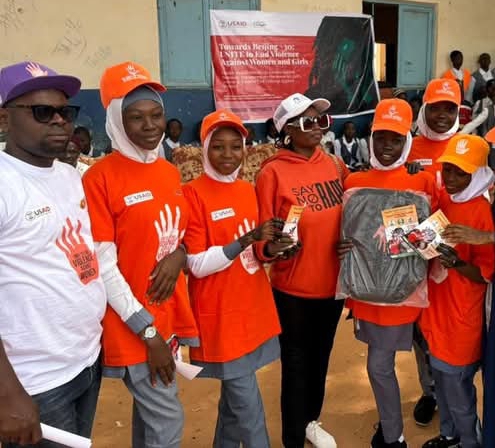
Child protection is a cross-sector responsibility. Education, labour, justice, health, security, and economic planning institutions all have roles to play.
Without addressing the root causes such as household poverty, school dropouts, unsafe migration, and informal labour markets efforts to end child labour will remain reactive rather than preventive.
Encouragingly, some states and civil society organisations are beginning to adopt integrated approaches. Conditional cash transfers, school feeding programmes, community sensitisation, and stronger collaboration with traditional and religious leaders are helping to keep children in school and away from exploitative work. However, these efforts need scale, consistency, and political commitment.
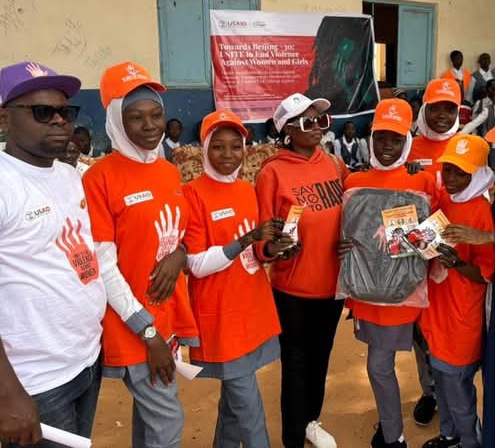
Ending child labour is not just a moral obligation; it is a development imperative.
A nation that allows its children to be exploited mortgages its future.
As Nigeria looks toward sustainable growth and social stability, protecting children must move beyond policy statements to coordinated action across all sectors.
Until the key drivers of child labour are confronted head on, violence against children will persist often hidden in plain sight.
Childhood, once lost, cannot be recovered. The time to act is now.
