


By Laiatu Augustine Bamaiyi.
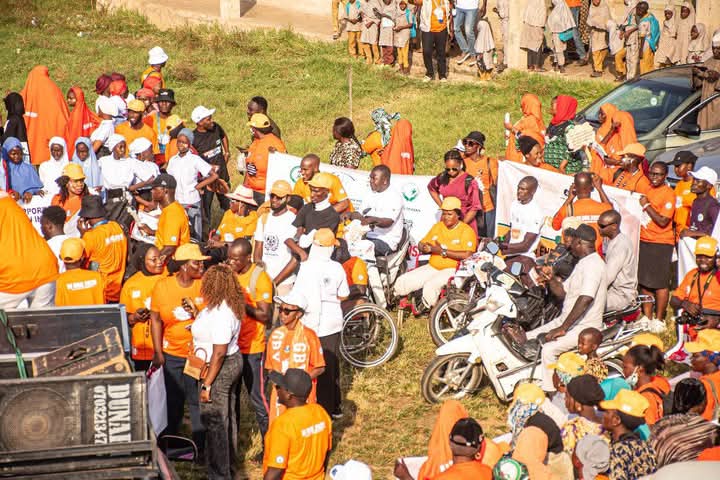
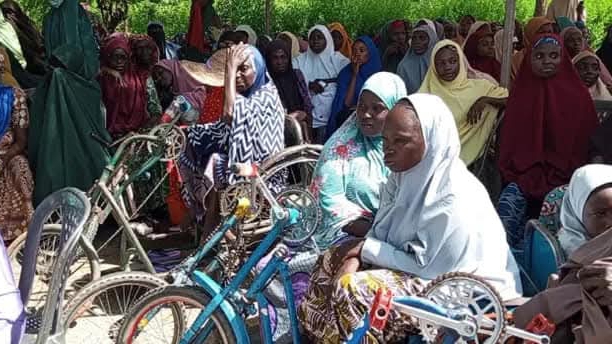
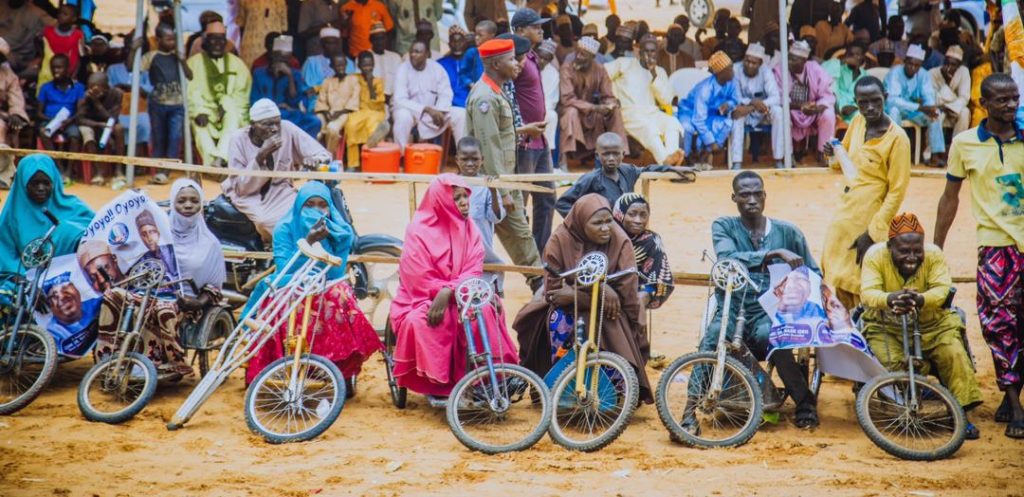
For years, disability has been framed in Nigeria largely through the lens of charity and dependence. But across communities, boardrooms, classrooms and civic spaces, women with disabilities are quietly dismantling that narrative by leading.
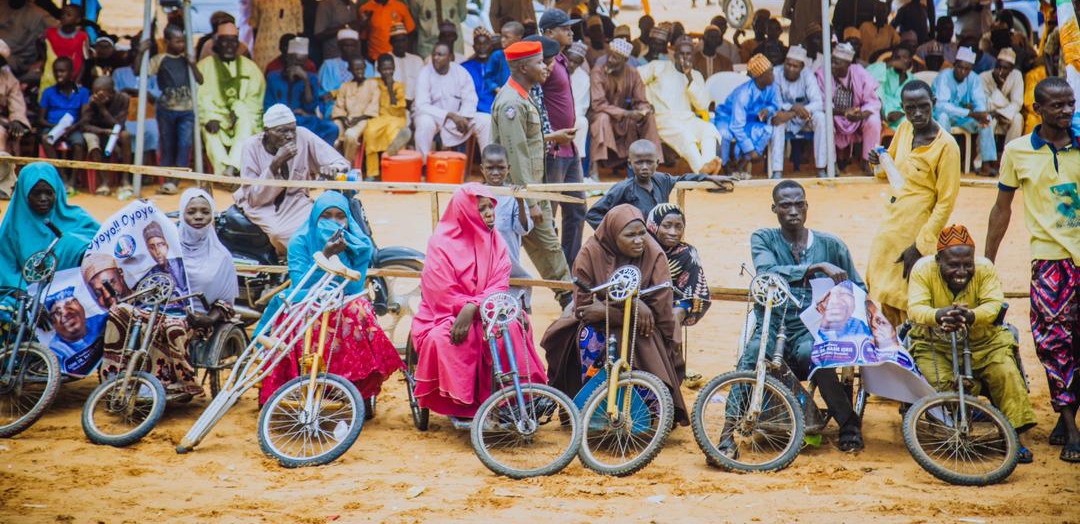
From grassroots advocacy to entrepreneurship and public service, women with disabilities are asserting their right not just to be included, but to influence decisions that shape society. Their leadership journeys are often steeper, marked by the double burden of gender bias and discrimination against disability. Yet, they persist transforming barriers into platforms for change.
In Kaduna, a visually impaired woman now coordinates community literacy programmes, proving that disability does not diminish intellectual capacity or leadership ability. In Lagos, women using wheelchairs are running successful small businesses, employing others and contributing to local economies. In the North-East, women with hearing impairments are mobilising peers to demand access to education, healthcare and humanitarian support in crisis-affected communities.
Despite these strides, systemic obstacles remain. Physical infrastructure is largely inaccessible. Policy conversations frequently exclude persons with disabilities, especially women. Access to education, finance, assistive technology and leadership opportunities remains limited. Cultural attitudes still cast women with disabilities as dependents rather than decision-makers.
Nigeria’s Discrimination Against Persons with Disabilities (Prohibition) Act provides a strong legal foundation, but implementation is slow and uneven. Without deliberate inclusion of women with disabilities in governance, development planning and climate adaptation strategies, the promise of equality remains unfulfilled.
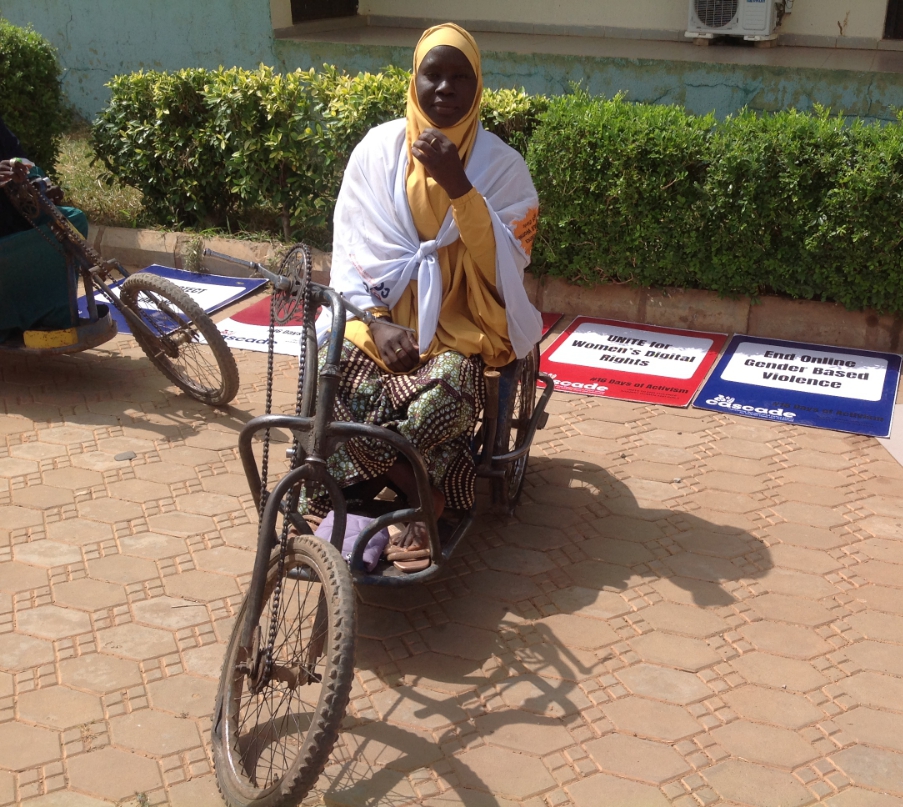
Experts argue that inclusive leadership is not a favour it is smart development. Women with disabilities bring lived experience that strengthens policies on health, education, social protection and disaster risk reduction. Their perspectives help design solutions that work for everyone, especially the most vulnerable.
As Nigeria pushes forward its commitments under the Sustainable Development Goals and national development plans, the leadership of women with disabilities must be recognised, supported and amplified. This means investing in accessible education, enforcing inclusive employment policies, funding disability-led organisations and ensuring representation at all decision-making levels.
The stories emerging across the country are clear, women with disabilities are not waiting to be empowered they are already leading. What they need is an enabling environment that removes structural barriers and recognises their leadership without limits.
In celebrating these women, Nigeria takes a step closer to a more just, inclusive and resilient society where leadership is defined not by physical ability, but by vision, courage and impact.