



By Dr Laiatu Augustine Bamaiyi.
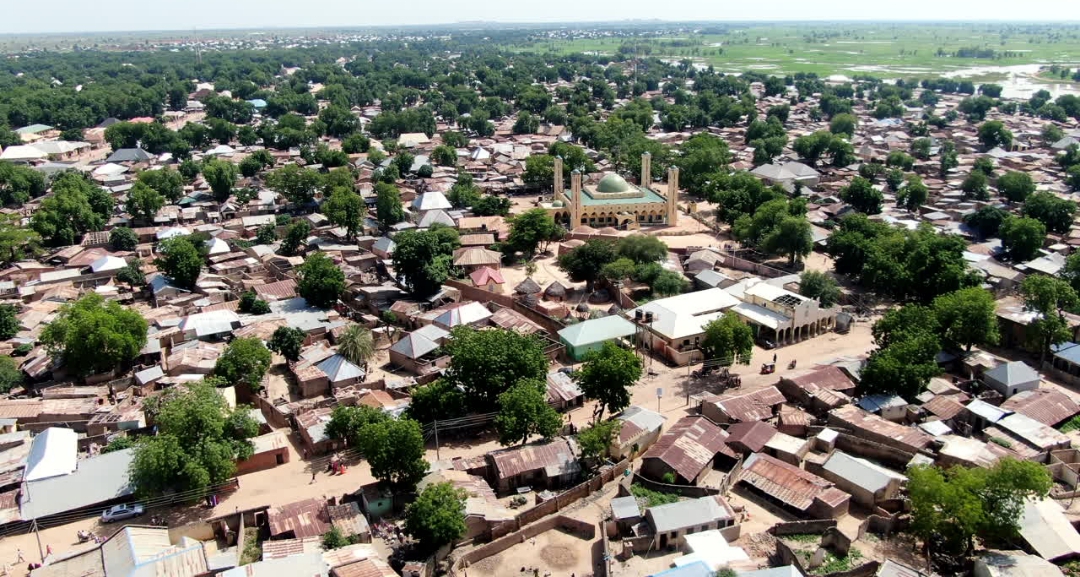
Zuru Emirate From the mist-covered hills of Southern Kebbi State rises Zuru, a land where history is not buried in relics but lives on through an unbroken chain of royalty.

For centuries, Zurutraditional institution has stood as the moral and cultural compass of the Dakarkari people, guiding society from its ancient beginnings to the realities of the modern Nigerian state.
Today, that historic legacy finds expression in the reign of the present Emir of Zuru, whose leadership bridges the past and the present.
Roots of Royal Authority
The Zuru Emirate emerged from early Dakarkari settlements that developed a structured system of leadership based on lineage, wisdom and communal consent.
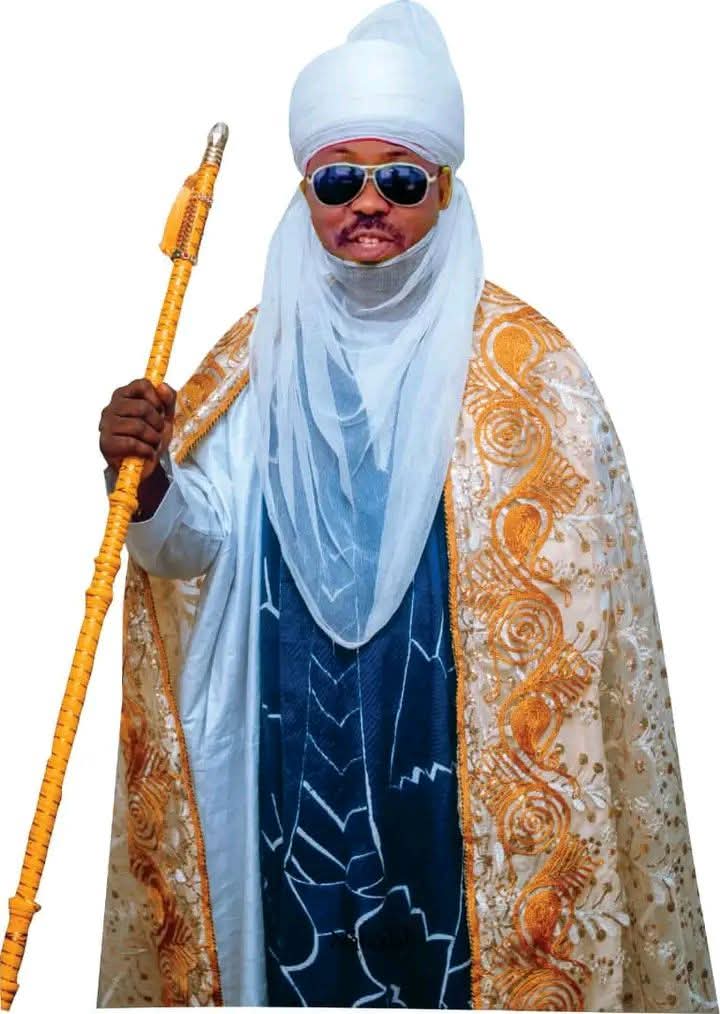
The throne was more than a symbol of power; it was a sacred trust.

Emirs ruled alongside councils of elders and chiefs, ensuring that governance reflected justice, balance and cultural continuity.
Over generations, the Zuru crown became a unifying force among diverse communities, binding them through shared customs, festivals and ancestral values.
Survival Through History Colonial rule tested the resilience of Zuru’s royalty.
As external authorities sought to redefine governance, the emirate adapted without surrendering its essence.
Traditional rulers became custodians of culture and mediators of peace, preserving local identity in an era of profound change.
This historical flexibility ensured that the throne remained relevant even as political systems evolved.

The Present Emir Muhammad Sanusi Sami Gomo lll A Living Link to History Today, the ancient crown rests on the head of the present Emir of Zuru, whose reign embodies continuity and renewal.
Drawing strength from centuries of tradition, the Emir has positioned the palace not merely as a ceremonial institution but as an active partner in community development.
His leadership reflects a deep respect for Zuru’s royal heritage while engaging contemporary challenges facing the emirate.
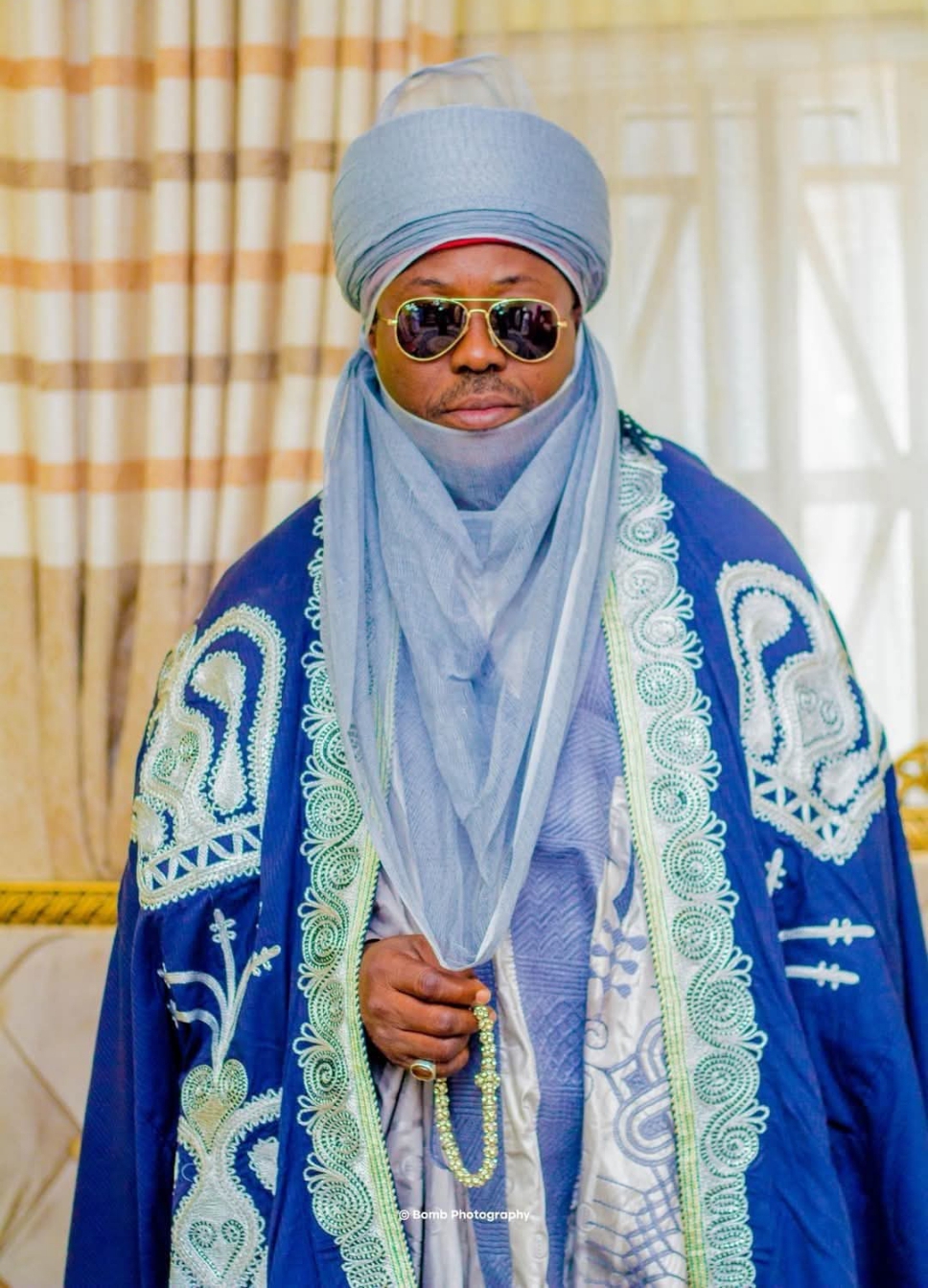
Under the current Emir, the palace has become a rallying point for peace, social cohesion and grassroots dialogue.
At a time when communal tensions and socio-economic pressures confront many rural societies, the Emir’s voice carries moral authority invoking history to promote unity, tolerance and mutual respect.
Royalty in Service of Development
The present Emir has also aligned the traditional institution with modern development aspirations.
By supporting education, encouraging youth participation in agriculture and enterprise, and collaborating with government and civil society, the throne continues its age old role as a protector of the people’s welfare.
This approach reflects the traditional philosophy of Zuru kingship: leadership as service, not privilege.
Culture, Identity and the Crown
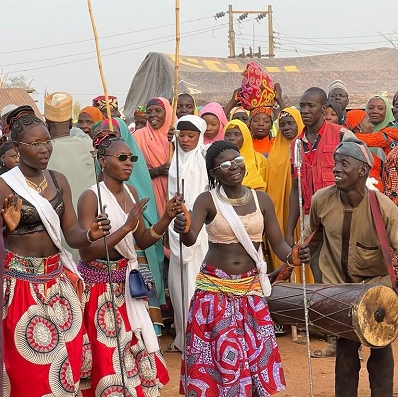
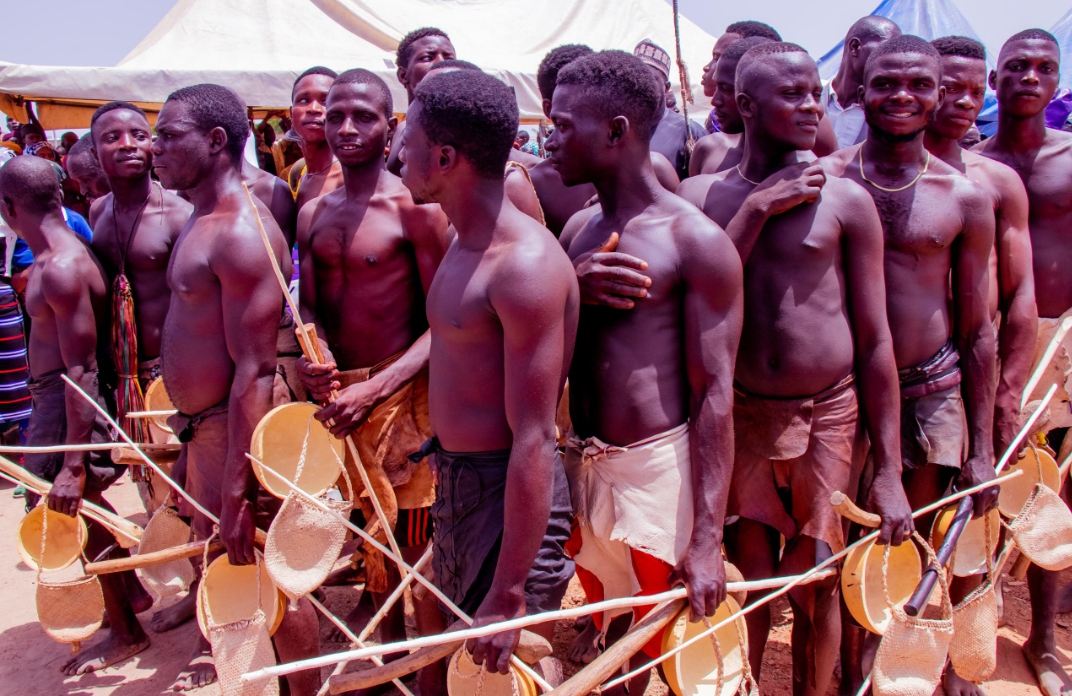
Zuru’s rich cultural heritage its festivals, music, hunting traditions and colourful regalia remains under royal guardianship.
The Emir’s patronage has helped sustain these practices as living traditions rather than fading memories, reinforcing identity among the younger generation while projecting Zuru’s cultural significance beyond Kebbi State.
An Enduring Legacy
In the reign of the present Emir of Zuru, history finds a contemporary voice.
His leadership demonstrates that traditional institutions, when anchored in their origins yet open to progress, can remain vital in a changing Nigeria.
Zuru’s royalty, shaped by time and tested by change, continues to thrive its ancient crown sustained by a modern throne, and its future guided by lessons from the past.
